When revenue stalls, the instinct is almost always the same: generate more leads. Increase the ad budget. Add another campaign. Launch a new offer.
But before increasing what goes into the top of the funnel, it's worth asking what's happening inside it. A business generating 300 inquiries per month that converts 10% is producing 30 customers. If that conversion rate moves to 12%, the same 300 inquiries produce 36 customers, six additional sales without spending one additional dollar on lead generation.
That math is simple. What's harder is seeing why those conversions aren't happening in the first place. The answer, in most businesses, comes down to what occurs in the minutes, hours, and days after someone raises their hand.
What Is Automated Lead Follow-Up?
Automated lead follow-up is a system that uses CRM workflows, SMS, email, and sometimes AI to respond to and nurture leads without requiring a team member to manually send every message. Instead of relying on a person to remember to follow up, the system triggers responses based on lead behavior, timing, and pipeline stage, ensuring every opportunity receives consistent, timely attention.
The goal isn't to remove the human element from sales. It's to ensure the mechanical work of responding quickly, following up persistently, and keeping opportunities warm happens reliably, so that human effort can focus on the conversations that actually require judgment and relationship-building.
Where Businesses Get This Wrong
The most common mistake isn't a lack of effort. It's a reliance on manual processes that are inconsistent by nature. An owner means to follow up. A salesperson intends to call back. But the day gets busy, the customer in front of them takes priority, and the new lead sits unanswered for hours.
There are several specific failure points that repeat across nearly every service business:
The speed gap. Research from lead response studies has consistently shown that the odds of converting a lead drop sharply after the first few minutes. A lead contacted within the first minute is dramatically more likely to convert than one contacted even ten minutes later. Yet most small businesses take hours, sometimes days, to respond to new inquiries. The lead isn't cold because they weren't interested. They're cold because someone else responded faster.
The single-touch assumption. Many businesses send one email, leave one voicemail, and consider the follow-up complete. But most leads aren't ready to buy on first contact. They need multiple touchpoints over days or weeks. A single attempt isn't follow-up, it's a coin flip.
The estimate black hole. A quote goes out. The customer doesn't respond immediately. Nobody follows up. The estimate goes cold. Weeks later, the customer hires a competitor, not because the price was wrong, but because nobody kept the conversation going.
The forgotten database. Leads that didn't convert immediately sit in the CRM untouched. Past customers are never contacted again. The database becomes a graveyard of opportunities that already cost money to acquire.
The Business Impact
Each of these failure points represents revenue that was already paid for. The lead generation cost has been incurred. The opportunity exists. The only question is whether the business has a system to convert it.
Consider a regional HVAC company generating 300 inquiries per month across Google Ads, organic search, referrals, and social media. If 40% of those inquiries aren't answered within an hour, 30% of estimates go cold without follow-up, and 50% of past customers are never contacted again, the business is losing revenue at three distinct stages, and none of those losses require more leads to fix. They require a better system.
The cost of inaction compounds. Every month, new leads enter the pipeline. Every month, a portion of them leaks out. Over a year, the cumulative loss isn't a few missed customers, it's a structural revenue gap that no amount of additional lead generation will close.
How the System Should Work
A proper lead follow-up system operates across the entire customer journey, from the moment a lead enters to the point where they become a repeat customer. It has several connected layers:
Instant response. When a lead comes in, from a form, a call, a chat, or a social media inquiry, an automated SMS or email goes out within seconds. This acknowledges the inquiry, sets expectations, and keeps the lead engaged while a team member becomes available.
Multi-touch nurture. After the initial response, a sequence of follow-up messages goes out over days and weeks. These aren't aggressive sales pushes, they're helpful check-ins that keep the business top-of-mind until the lead is ready to make a decision.
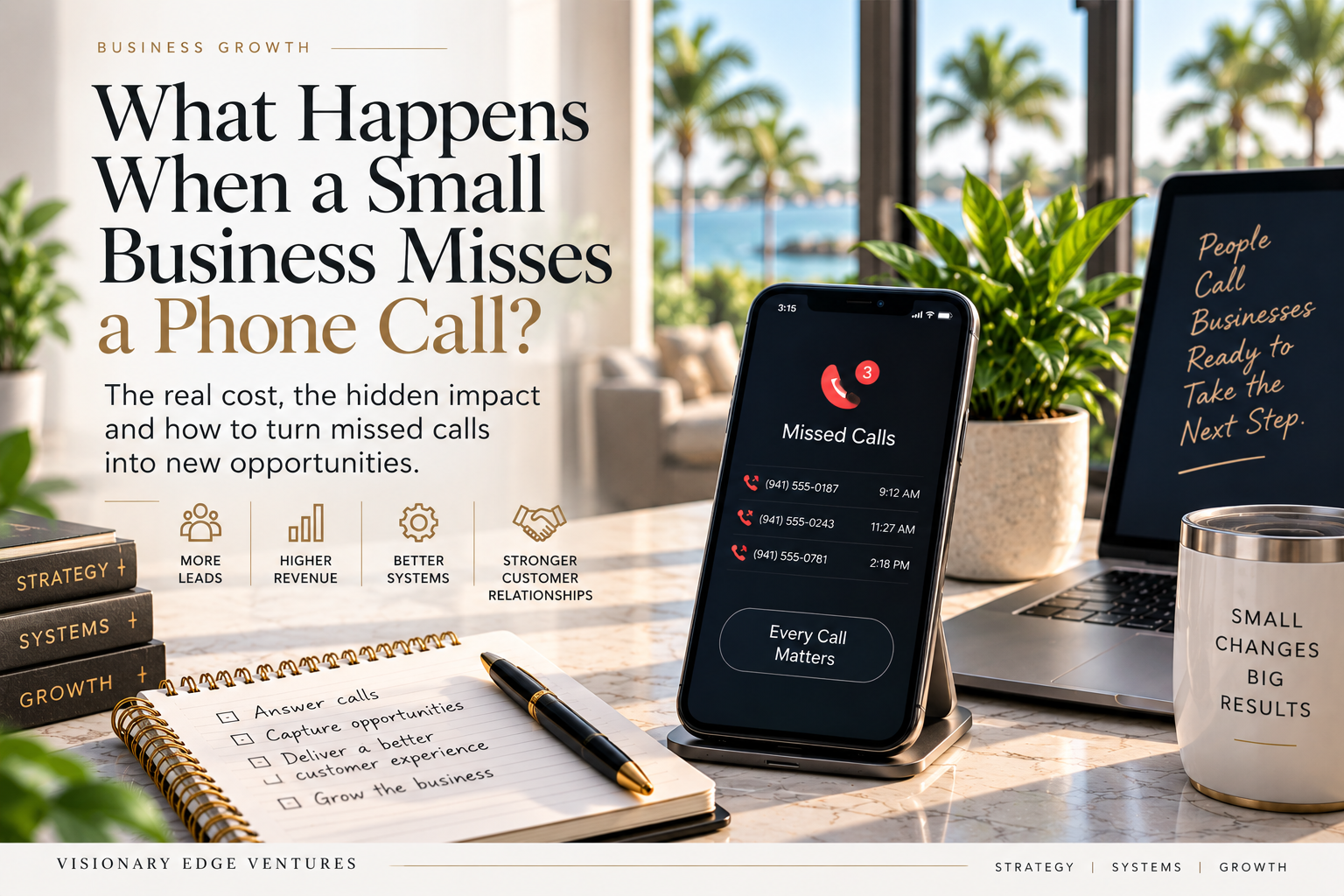
Missed call recovery. When a call goes unanswered, an automatic text goes out within seconds. The caller knows they were heard, not ignored, and has an immediate way to take action, whether that's booking online or replying to the text.
Estimate follow-up. After an estimate is sent, an automated sequence follows up over the next two to three weeks. Each message offers value, answering questions, adjusting scope, checking on timing, rather than pressuring for a decision.